If you are looking at East End Houston as an investment area, one word matters more than almost anything else: variation. This part of Houston is not a single, uniform housing market, and that can make it both promising and tricky to evaluate. The good news is that when you understand the housing stock, transit access, and block-by-block differences, you can make more confident decisions. Let’s dive in.
East End Is Not One Housing Type
East End Houston is best understood as a group of related inner-loop neighborhoods rather than one single submarket. City of Houston neighborhood pages identify communities such as Second Ward, Greater Eastwood, Magnolia Park, Harrisburg/Manchester, Pecan Park, and Denver Harbor/Port Houston as part of the broader East End area.
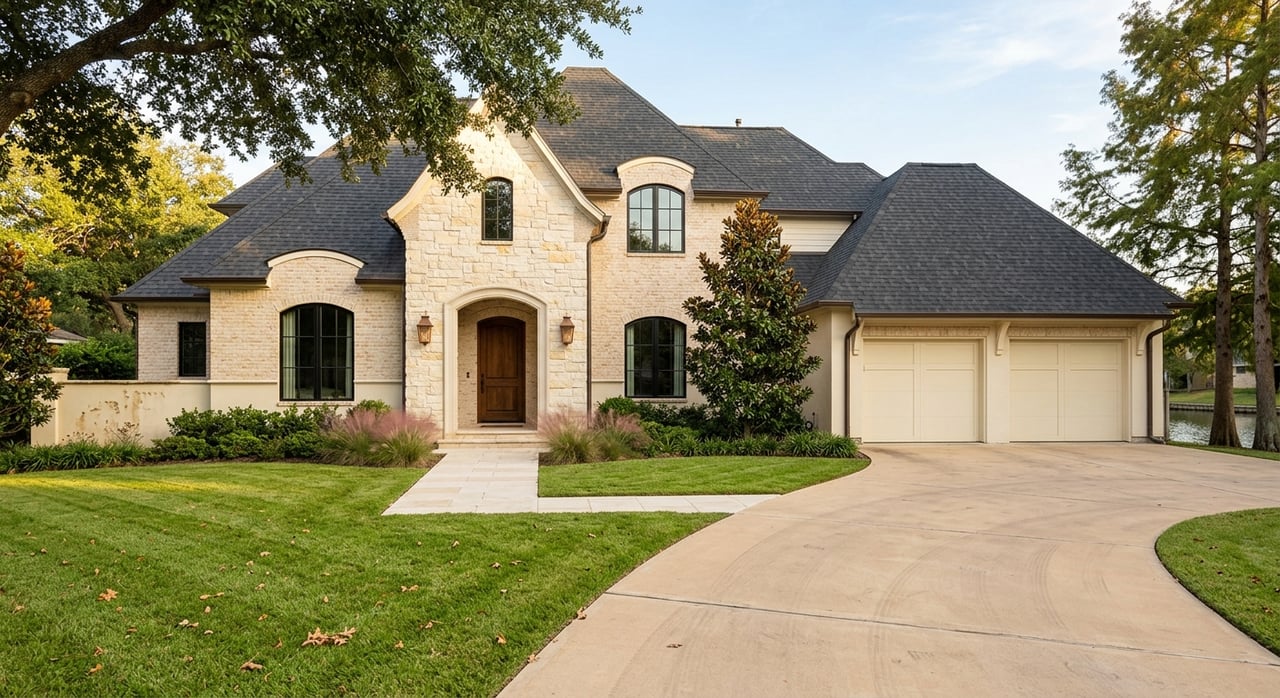
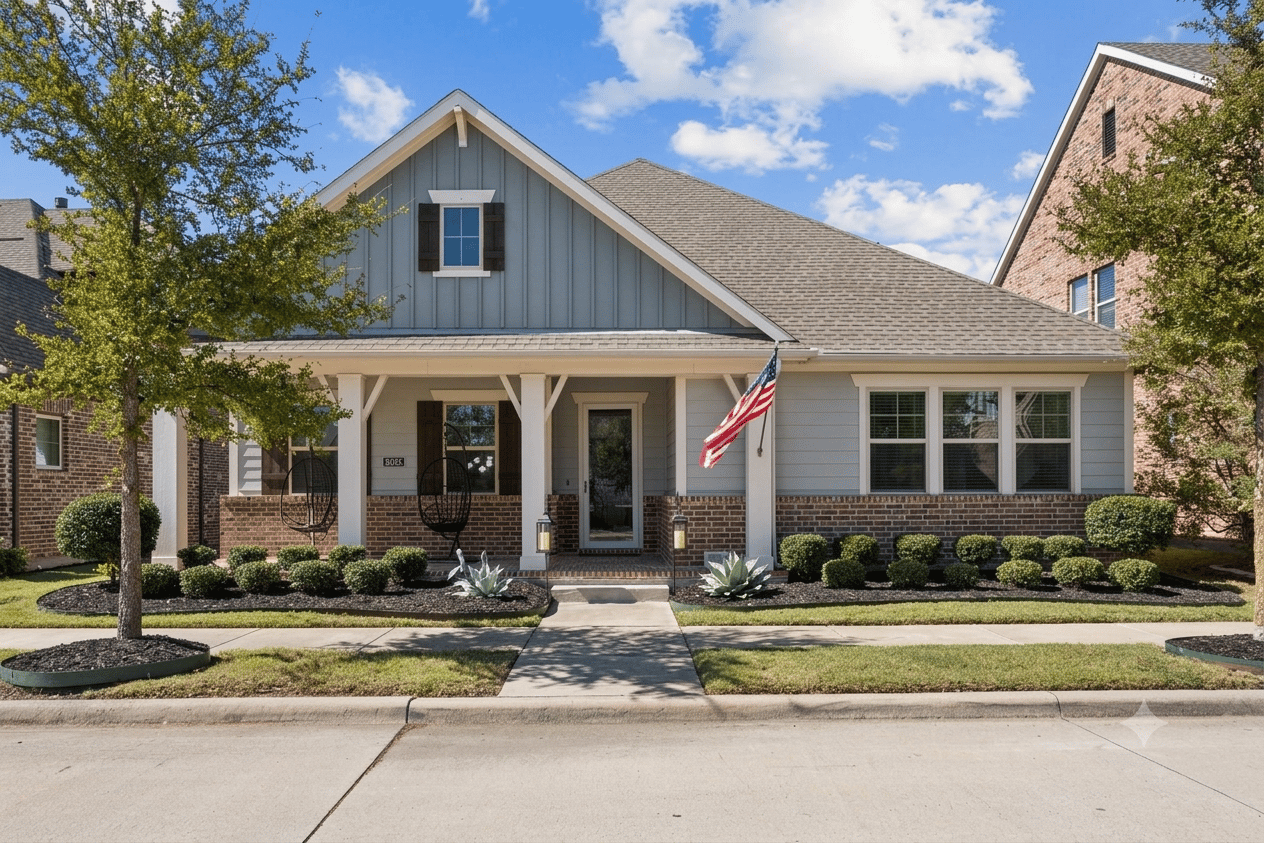
That matters because the housing stock can shift quickly from one section to another. One block may feature older single-family homes, while another may include duplexes, apartments, townhomes, or nearby commercial and industrial uses. For investors, that means broad labels are less useful than a close look at the specific property and immediate surroundings.
Older Homes Shape Much of the Area
A large share of East End housing was built decades ago, and that older inventory is one of the area’s defining traits. City of Houston profiles describe Greater Eastwood and Lawndale as neighborhoods with single-family subdivisions developed before World War II, including bungalows and duplexes.
The same city profile notes that this area contains one of Houston’s largest intact collections of Craftsman, Arts & Crafts, Foursquare, and Mission architecture. In Second Ward, the city also reports that most housing was built before World War II. For investors, this often points to homes with character, established streetscapes, and potential renovation needs.
What Older Housing Can Mean for Investors
Older housing stock can create opportunity, but it also calls for more due diligence. Renovation scope may be broader than expected, and cosmetic updates are not always the whole story when you are evaluating an older home.
In practical terms, older East End homes may appeal to buyers or renters who want an inner-loop location and established architecture. At the same time, age alone should never be treated as a value driver without looking at the block, condition, land use nearby, and any applicable historic rules.
Infill Adds Another Layer
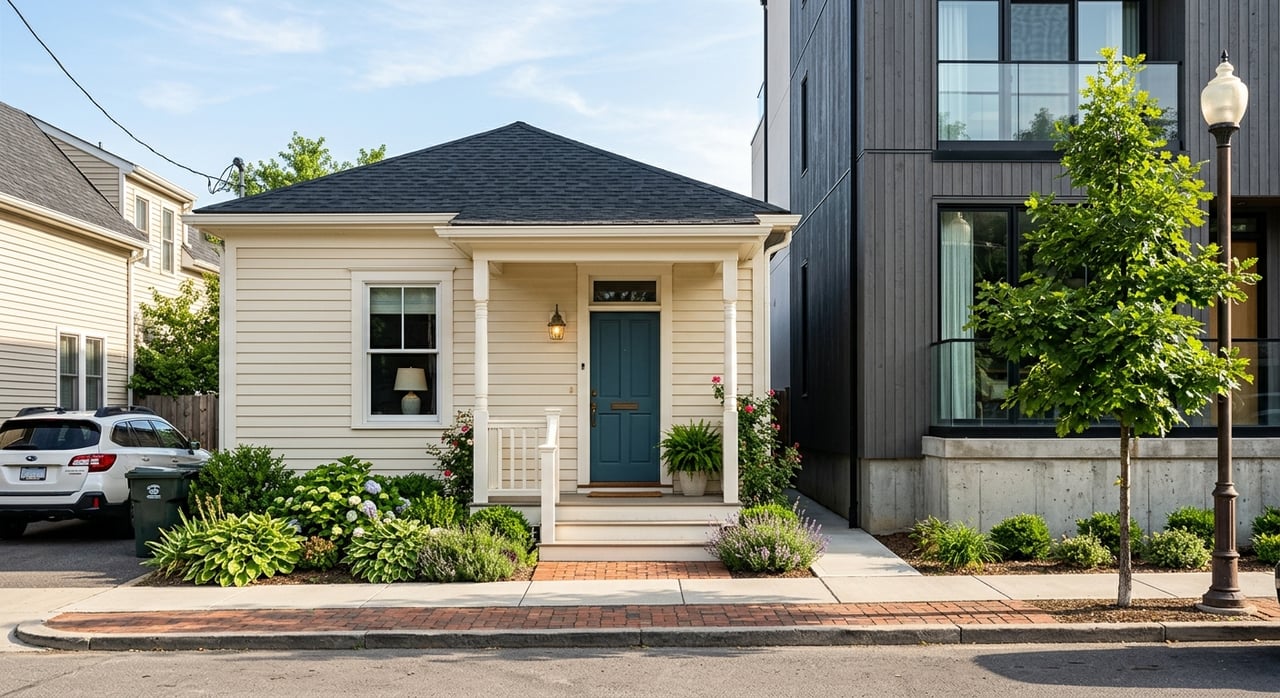
The East End is not just a collection of historic bungalows. East End Houston’s neighborhood overview describes the area as including older bungalow-style homes along with apartments, townhomes, and condominiums.
That mix is a big part of what makes the area stand out. You are not only looking at legacy housing, but also at places where newer infill development shares space with older homes. A historic streetscape may exist just a short distance from newer townhome construction or small multifamily properties.
Why Mixed Housing Stock Matters
For a small investor or house-hacker, this variety can create more than one possible strategy. Depending on the location, you may be comparing a traditional single-family property, a duplex, a townhome, or a small multifamily setup within the broader East End umbrella.
It also means comps and expectations need extra care. A property’s value and likely use case may be shaped less by the East End label and more by what exists on that exact block and nearby corridors.
Land Use Can Change Block by Block
City land-use maps for areas such as Greater Eastwood and Second Ward show a mix of single-family residential, multi-family residential, commercial, industrial, and public or institutional uses. That is common in long-established inner-loop districts with a long redevelopment history.
For investors, this mixed land-use pattern is important. It can influence how a property feels day to day, what kind of housing surrounds it, and how easy it may be to predict future use patterns nearby.
Questions to Ask About the Immediate Area
Before you move forward on a property, it helps to ask a few specific questions:
- Is the block mostly single-family, or are duplexes and small multifamily properties common?
- Are newer townhomes appearing nearby?
- How much of the surrounding area is residential versus commercial or industrial?
- Does the property sit near a major corridor or transit stop?
These questions matter because the East End often rewards micro-local analysis. The better your understanding of the immediate area, the better your odds of matching the property to your goals.
Transit Is a Major Draw
One of the clearest reasons investors watch East End Houston is mobility. METRO reports that the Green Line travels along Harrisburg Boulevard, connecting downtown Houston and the historic East End.
METRO also states that the Purple Line connects downtown Houston to Texas Southern University and the University of Houston. Through the broader rail network, riders also gain access to destinations such as the Texas Medical Center, Museum District, Theater District, and NRG Stadium.
Why Transit Access Matters
Transit access can widen the pool of people who may want to live in the area. That can include commuters who want an inner-loop location, students connected to the University of Houston or Texas Southern University, and workers seeking easier access to central job centers.
Of course, transit access does not guarantee rent growth or investment performance. Still, in a location near downtown with rail connectivity, transportation is a practical feature that many investors consider a meaningful part of the housing story.
Location Supports Long-Term Interest
The East End’s geography is a big part of its appeal. City planning documents describe the area as a vibrant historic community near downtown, and the East End Chamber of Commerce describes it as strategically located between the Port of Houston, downtown, and Hobby Airport.
That positioning helps explain why the area continues to attract attention. For investors, proximity to central Houston and eastern employment hubs can be part of the long-term case for watching the area closely.
Historic District Rules Can Affect Renovations
Because the East End includes historic neighborhoods, not every renovation follows the same path. The City of Houston states that exterior alterations to properties in a historic district, landmark, or protected landmark may require a Certificate of Appropriateness.
Some projects must also go through historic preservation staff or the Houston Archaeological and Historical Commission. That means your renovation timeline, design choices, and approval steps may be different depending on the property’s designation.
Why This Matters Before You Buy
If you are planning to update or reposition a property, historic status should be part of your early review. Waiting until after closing to learn about design restrictions or approval requirements can create delays and added cost.
This does not mean historic properties are off-limits. It simply means investors should verify what applies to that address before assuming a renovation plan will move forward as expected.
A Practical Investor Framework
If you are evaluating East End Houston housing stock, it helps to keep your review process simple and disciplined. The broad area can be appealing, but the strongest opportunities are often highly specific to the property and block.
A useful framework includes these four checkpoints:
- Housing type: Is it an older single-family home, duplex, townhome, apartment-style property, or something else?
- Transit access: Is it near rail or a corridor that supports easier movement around central Houston?
- Historic status: Does the property sit in a historic district or protected area?
- Nearby land use: Is the immediate setting mostly residential, or mixed with commercial or industrial uses?
When you work through these basics, you get a clearer picture of whether a property fits your investment goals.
What East End Housing Stock Tells You
The big takeaway is that East End Houston offers a combination that many investors find compelling: older housing, inner-loop location, transit access, and a mix of infill product types. It is not a one-note market, and that is exactly why careful analysis matters.
If you are considering a property here, the smartest move is to study the exact block instead of relying on the broad East End name alone. That kind of grounded, local review can help you spot both opportunity and risk with more confidence.
If you want a local perspective on buying, selling, or evaluating property in Greater Houston, the Witherspoon Realty Team offers practical guidance backed by responsive, hands-on service.
FAQs
What kinds of homes are common in East End Houston?
- East End Houston includes a mix of older bungalows, single-family homes, duplexes, apartments, townhomes, and condominiums, depending on the neighborhood and block.
What makes East End Houston interesting to investors?
- East End Houston draws investor attention because of its inner-loop location, older housing stock, mixed infill development, and access to METRO rail connections to downtown and other central destinations.
What should investors check before buying in East End Houston?
- Investors should review the property’s housing type, nearby land uses, proximity to transit, and whether the address is in a historic district or protected area.
Do historic district rules affect East End Houston renovations?
- Yes. In some East End Houston historic districts or landmark areas, exterior changes may require a Certificate of Appropriateness or additional review by the City of Houston.
Is all of East End Houston the same from an investment standpoint?
- No. The East End is made up of multiple neighborhoods, and housing type, surrounding land use, and redevelopment patterns can change quickly from one block to the next.