By Witherspoon Realty Team
When we talk with buyers in Willis, one thing always comes up: the national forest. Sam Houston National Forest, comprising 163,037 acres, is roughly 15 miles from most front doors, and it is one of the factors that makes Willis outdoor recreation unlike anything available in most Houston-area communities.
The forest offers the longest continuous hiking trail in Texas, federally designated wilderness, rare wildlife, and three developed recreation areas where forest meets Lake Conroe.
Key Takeaways
- The Lone Star Hiking Trail: At 128 miles, the longest continuous hiking trail in Texas, winding through Sam Houston National Forest with primitive camping permitted along most of the route
- Little Lake Creek Wilderness: A 3,855-acre federally designated wilderness established under the Texas Wilderness Act of 1984, protecting some of the forest's most intact bottomland terrain
- Wildlife: Over 250 documented bird species, white-tailed deer, bobcats, and the endangered red-cockaded woodpecker, which nests exclusively in living loblolly pines
- Recreation areas: Cagle, Double Lake, and Stubblefield offer camping, fishing, and water access, with Cagle providing a boat ramp, full hookups, and winter bald eagle sightings
The Lone Star Hiking Trail
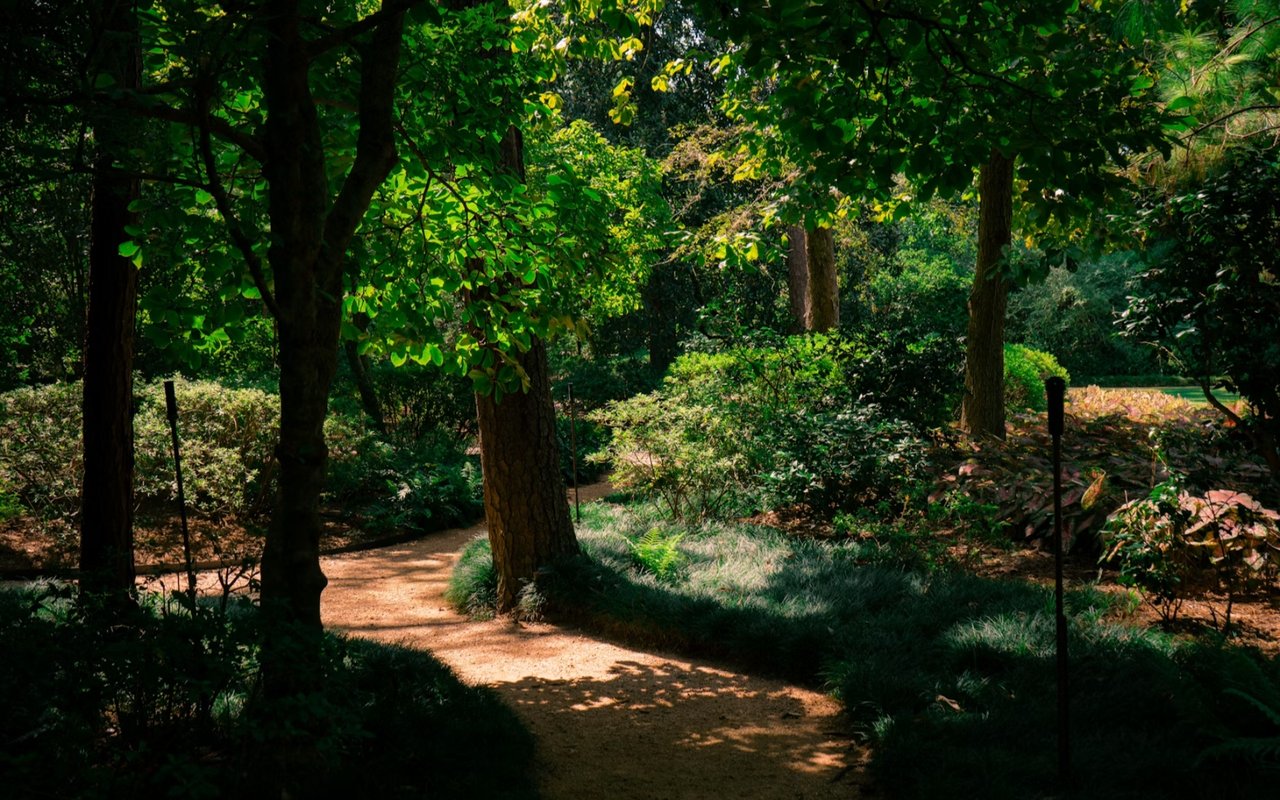
The Lone Star Hiking Trail is the longest continuous hiking trail in Texas. It's marked with aluminum trail markers through pine-hardwood forest, creek bottoms, and wetland corridors.
- The Lake Conroe Section: The westernmost 40 miles run west of Lake Conroe with four connecting loops. The Four Notch Loop, a 9.2-mile circuit, is a popular moderate hike through diverse terrain
- The Central Area: 60 miles from Stubblefield east through the Four Notch area to Evergreen, crossing creeks through varied pine and hardwood forest
- The Winters Bayou/Tarkington Creek Section: 27 miles through Big Creek Scenic Area and Winters Bayou, carrying National Recreation Trail designation
- Primitive camping: Allowed off the trail outside of deer hunting season (November-December). Kelly Pond Recreation Area and Multi-use Trailhead near New Waverly provides a western access point with restrooms and connections to mountain biking and equestrian trails
Winter and spring are the most popular seasons, when temperatures are mild and wildflowers bloom through the understory. Hikers should carry water, as potable sources are not available throughout most of the trail.
The Wilderness Areas
Two designated areas represent the most protected terrain in the forest, both accessible from Willis in under an hour.
- Little Lake Creek Wilderness: Established under the Texas Wilderness Act of 1984, this 3,855-acre wilderness in Montgomery County is bisected by three creek drainages. Loblolly and shortleaf pines cover ridgetops, with hardwoods lining the creek channels below
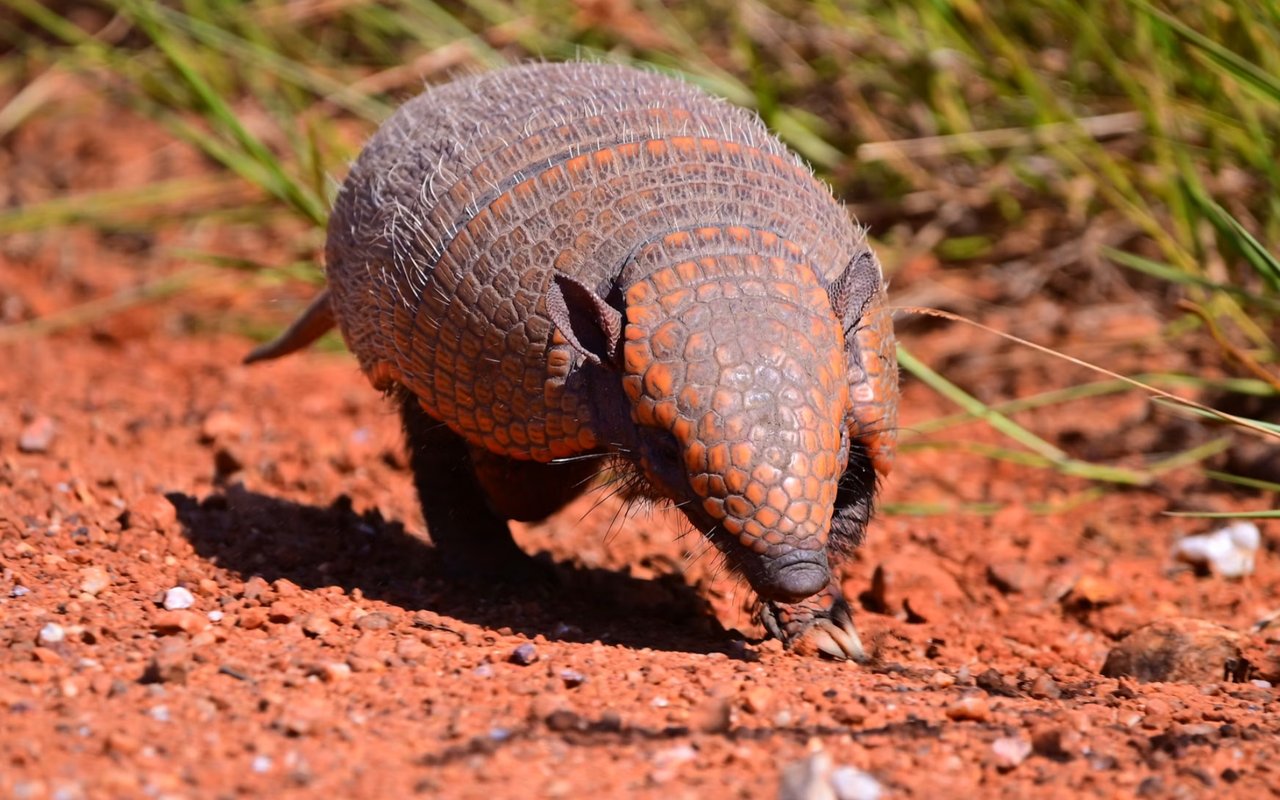
- Resident wildlife: White-tailed deer, owls, armadillos, and the endangered red-cockaded woodpecker. The woodpecker excavates cavities exclusively in living pine trees, using sticky resin around nest holes to deter predators
- Big Creek Scenic Area: This 1,460-acre designated area protects fine east Texas pine-hardwood forest. American Beech trees grow near the westernmost edge of their US range. Big Creek flows cool and caramel-colored through Southern Magnolia and White Oak canopies, with Pileated woodpeckers and Northern Cardinals as regulars
The wilderness trails can be muddy after heavy rain, so check conditions before an extended visit.
Wildlife in the Forest
Sam Houston National Forest supports wildlife populations that few metro-area communities can access within 30 minutes.
- The red-cockaded woodpecker: Practically every acre of Little Lake Creek Wilderness serves as feeding habitat. Its black cap, white cheek patches, and exclusive reliance on living loblolly pines make it sought after by birders across the country
- Bald eagles: In winter, bald eagles perch in tall pines and soar over Lake Conroe's shoreline. The national forest lands surrounding the lake provide critical wintering habitat. Cagle Recreation Area is a reliable viewing location
- Mammals: White-tailed deer are the most visible game animal. Bobcats, coyotes, wild hogs, foxes, and armadillos also inhabit the terrain, alongside rabbits, squirrels, and smaller mammals in the understory
Over 250 bird species have been documented here.
Recreation Areas on Lake Conroe
Three developed campgrounds provide a base for extended time in the forest.
- Cagle Recreation Area: The most developed campground, on Lake Conroe's eastern shore, with 47 full-service sites (water, electricity, sewer, fire rings), a boat ramp, fishing pier, hiking and bicycle trails, and hot showers
- Stubblefield Lake Recreation Area: Built by the Civilian Conservation Corps in 1937, with 28 sites on the northern tip of Lake Conroe, basic facilities, and no hookups. Sits at mile 14.3 of the Lone Star Hiking Trail
- Double Lake Recreation Area: Near Coldspring in the southern forest, Double Lake offers family and group campsites, a swimming area, and a concession stand. An asphalt trail circles the lake
FAQs
How far is Sam Houston National Forest from Willis?
The forest's western edge is approximately 15 miles from Willis. Cagle Recreation Area and Kelly Pond trailhead are reachable in under 30 minutes.
What is the best time of year to hike the Lone Star Trail?
Winter and spring are the prime seasons. Temperatures are mild from November through April, wildflowers peak in spring, and summer heat and humidity make long hikes demanding. Hikers should wear highly visible clothing during deer hunting season in November and December.
How does forest access affect home values in Willis?
We see it consistently: proximity to the national forest and Lake Conroe together is a meaningful lifestyle differentiator that contributes to demand in the Willis market. Buyers relocating from urban areas specifically ask about outdoor access, and Willis delivers it at a scale few comparable communities can match.
Reach Out to the Witherspoon Realty Team
We have over 10 years of experience in the Houston real estate market. Based in Willis, we specialize in the Lake Conroe area, Montgomery County, and the broader Houston suburbs.
If you're considering a move to Willis and want to understand what the outdoor life here actually looks like from people who live it, we are glad to help. Contact us at Witherspoon Realty Team today.
If you're considering a move to Willis and want to understand what the outdoor life here actually looks like from people who live it, we are glad to help. Contact us at Witherspoon Realty Team today.