Buying on Lake Conroe can feel like landing your dream lifestyle and a new set of responsibilities at the same time. If you are picturing sunset views, easy boat access, and weekends on the water, you are not wrong, but waterfront buying here comes with details you do not want to overlook. The good news is that once you know what to check, you can move forward with a lot more confidence. Let’s dive in.
Lake Conroe Waterfront Is Not One Thing
Lake Conroe is a 20,118-acre reservoir on the West Fork of the San Jacinto River in Montgomery and Walker counties. According to the Texas Water Development Board, it was completed in 1973, is maintained by the San Jacinto River Authority, and was built as an alternate water supply for Houston.
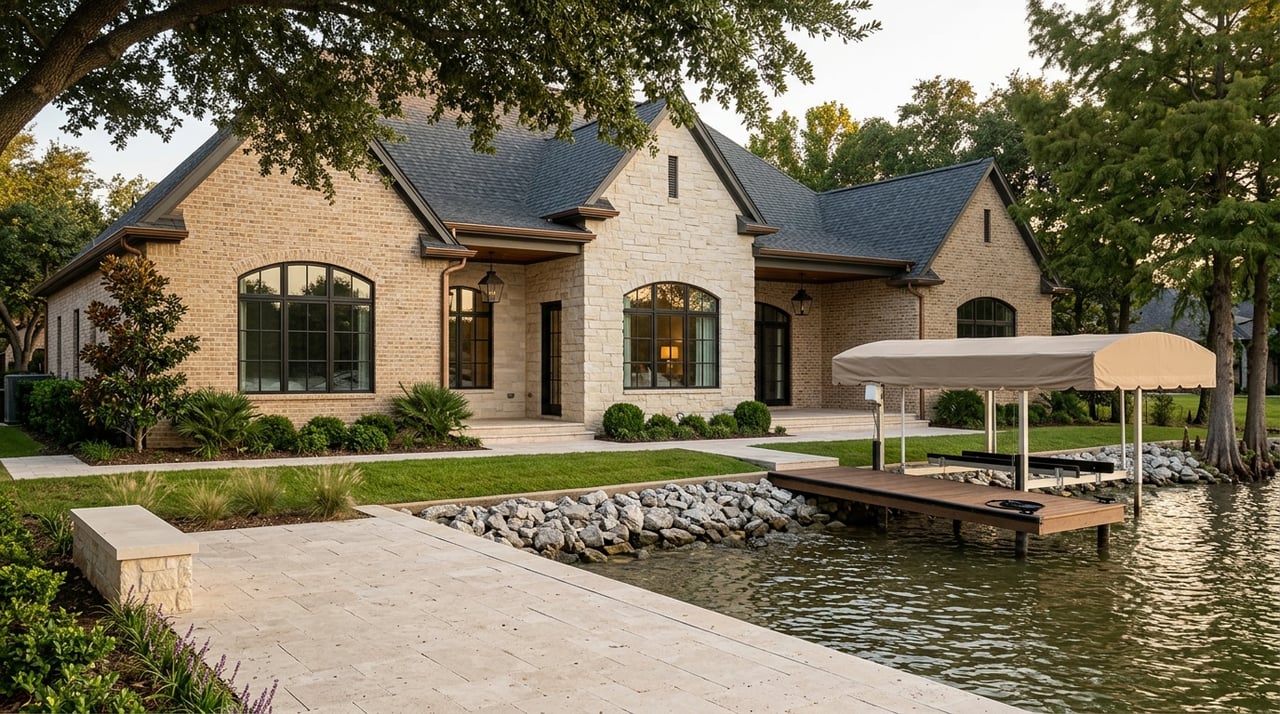
That matters because not every “waterfront” home offers the same use or value. Some properties have true boat access, some have a dock or boathouse, some rely on bulkheaded shoreline, and others may offer more of a water view than practical lake access. On Lake Conroe, those differences can have a big impact on how you use the property and how you evaluate it before making an offer.
The lake itself also changes by area. The Texas Parks and Wildlife Department notes that the lower two-thirds of the reservoir is mostly open water with docks and bulkheads, while the upper reaches still have standing timber that can create navigation hazards at conservation pool. In simple terms, where the home sits on the lake can affect boating, access, and maintenance.
Check Shoreline Rights Early
One of the biggest things buyers miss is this: when you buy a waterfront home on Lake Conroe, you are often buying both a house and a regulated shoreline use. The shoreline improvements you see today may not be automatic rights that transfer with ownership in the way you assume.
The San Jacinto River Authority regulates and licenses residential docks, boat slips, bulkheads, dredging, marinas, and other lake uses. SJRA states that a private structure or bulkhead is not an inherent right of waterfront ownership, and each structure may require a permit or license, along with annual fees. SJRA also has the authority to revoke permissions.
That means your due diligence should go beyond admiring the dock from the back patio. You want to confirm that any waterfront improvements were properly approved and that the seller can document that history.
Questions to Ask About Docks and Bulkheads
Before you buy, ask for documentation on:
- Existing SJRA permits or licenses for the dock, bulkhead, boathouse, or other waterfront structures
- Surveys and plans used for construction
- Any recent shoreline repair or replacement work
- Whether HOA, POA, or ACC approval was required and obtained
- Whether the boat can still safely reach the dock during lower water levels
For example, SJRA explains that bulkhead permitting requires a current survey and construction plans, and proposed work must be shown on that survey. If a structure encroaches on SJRA property, the owner must also document permission for that encroachment.
Understand Lake Levels and Access
A beautiful waterfront lot does not always mean easy year-round access to the water. SJRA specifically says it is not obligated to maintain a specific reservoir level to support private structures. That is an important point if your priority is keeping a boat at the dock or using the property regularly for lake recreation.
Low water conditions can affect whether a dock remains usable, whether the shoreline becomes muddy or exposed, and whether vegetation or debris becomes an issue near the waterfront. If a home’s value to you depends on boating access, ask the seller and your agent very specific questions about how the property performs when lake levels drop.
SJRA also notes that low water can expose vegetation and debris, and owners are limited in what they may do without authorization. Under SJRA guidance for debris and vegetation removal, widespread mowing of lakebed areas is not allowed unless specifically authorized.
Review Dredging and Shoreline Work
Some Lake Conroe properties need dredging or shoreline adjustments to maintain usability. If a seller says the area was dredged or improved, that work should not be treated as casual maintenance. It is regulated.
SJRA explains that dredging projects require a permit, a map of the dredge area, coordinates, estimated volume, and target depth. Dredged material must also be removed from the reservoir rather than stored on the lake bottom, and additional approvals may apply.
For you as a buyer, the key takeaway is simple: verify what work was done, when it was done, and whether it was approved. If a shoreline issue is obvious during your showing or inspection, it is worth digging deeper before you finalize an offer.
Don’t Skip Septic and Drainage Questions
Utilities can be more complex at the lake than in a typical suburban neighborhood. One of the biggest items to verify is whether the home is on sewer or an on-site septic system.
SJRA regulates on-site sewage facilities near Lake Conroe within 2,075 feet of the shoreline. The agency requires compliance with federal, state, and local standards. For aerobic treatment units, SJRA requires a TCEQ-licensed maintenance provider under written contract unless the owner of a primary residence qualifies for a listed exception.
That means septic history is not a minor detail. If the home is on septic, ask for permits, maintenance records, inspection history, and any current service contracts. You should also ask whether drainage, runoff, or erosion issues have ever been documented nearby, especially since SJRA’s watershed protection work highlights increased contamination risk from urban growth, stormwater, sewage, and waste.
Utility Questions to Ask Before You Buy
Use this checklist during due diligence:
- Is the home connected to sewer or septic?
- If septic, are permits and maintenance records current?
- Is there an aerobic system that requires an active maintenance contract?
- Have there been drainage, runoff, or erosion issues on or near the property?
- Are there any known utility upgrades or repairs that may be needed soon?
HOA Rules Matter More Than You Think
On Lake Conroe, waterfront ownership can involve overlapping layers of approval. Even if SJRA regulates the shoreline structure, the subdivision may also have separate architectural or community rules.
SJRA says homeowners must obtain HOA, POA, or ACC approval when their subdivision requires it, including for residential waterfront structures. So before you assume you can update a dock, change exterior materials, or make shoreline improvements later, confirm what the community allows.
You should also ask about annual dues, lake-related fees, and any special assessments. These costs may not be obvious at first glance, but they affect both affordability and your plans for the property.
Get Insurance Answers Before You Offer
Insurance is one of the most important early steps in a waterfront purchase. A lot of buyers assume they can sort that out later, but on a lake property, it is smarter to get answers before you finalize terms.
The Texas Department of Insurance says standard homeowners policies do not cover flood damage. It also notes that lenders require flood insurance for homes in designated flood zones, and many flood policies have a 30-day waiting period.
FEMA also explains that federally regulated lenders must require flood insurance for buildings in Special Flood Hazard Areas within participating communities. You can start by reviewing the property’s map status through the FEMA Map Service Center, especially if you want to confirm the flood zone or learn about options when a map appears inaccurate.
Insurance Questions to Ask Early
Before you commit, ask:
- What FEMA flood zone is the property in?
- Will the lender require flood insurance?
- What are the premium, deductible, and waiting period?
- Does coverage extend to contents, docks, boathouses, or other waterfront improvements?
- Have there been prior water, storm, or erosion claims?
Getting these answers early can help you avoid surprises in your monthly payment and your closing timeline.
Consider Water Quality and Lake Stewardship
If you are buying on Lake Conroe for the lifestyle, water quality is naturally part of the conversation. SJRA said in 2024 that Lake Conroe remained one of the highest-quality waterbodies in the greater Houston area, while also noting that continued urban growth increases contamination risk.
Through its watershed protection plan, SJRA highlights water-quality monitoring, invasive-species control, native plantings, stormwater mitigation, and OSSF regulation. For buyers, this is helpful context because it shows both the strength of the lake environment and the reason regulations matter.
If you own a boat, there is one more practical point to remember. The Texas Parks and Wildlife Department’s Clean, Drain, Dry guidance is designed to reduce the spread of invasive species between lakes through boats, trailers, and gear.
A Smart Lake Conroe Buying Strategy
The best Lake Conroe waterfront purchase is not just the prettiest home with the best view. It is the one where the shoreline use, permits, utilities, insurance, and community rules all line up with how you actually want to live.
A strong buying strategy usually includes:
- Confirming dock, bulkhead, and shoreline permits
- Reviewing lake access during lower water conditions
- Checking for dredging or repair history
- Verifying sewer or septic details and maintenance records
- Reviewing HOA, POA, or ACC rules
- Getting flood and waterfront insurance quotes before your offer is final
When you approach the process this way, you are far more likely to protect both your lifestyle goals and your investment.
If you are thinking about buying a waterfront home on Lake Conroe, working with a team that understands the details can make the process much smoother. The Witherspoon Realty Team helps buyers navigate local market nuances with practical guidance, responsive communication, and a steady hand from showing to closing.
FAQs
What should you verify before buying a Lake Conroe waterfront home?
- You should verify SJRA permits for docks and bulkheads, lake access at lower water levels, septic or sewer details, HOA rules, and flood insurance requirements before finalizing your offer.
Does waterfront ownership on Lake Conroe automatically include dock rights?
- No. SJRA says private structures such as docks and bulkheads are not an inherent right of waterfront ownership and may require permits, licenses, and annual fees.
Do Lake Conroe homes need flood insurance?
- Some do. Flood insurance is generally required by lenders for homes in designated flood zones, and standard homeowners insurance does not cover flood damage.
What utility issue matters most for Lake Conroe waterfront buyers?
- One of the biggest issues is whether the home is on sewer or septic, because septic systems near the lake are regulated and may require permits, inspections, and ongoing maintenance.
Why do HOA rules matter when buying on Lake Conroe?
- HOA, POA, or ACC rules may affect docks, shoreline work, exterior changes, fees, and approval requirements, so they can directly impact both your costs and your future plans for the property.